


Everything You Need to Know About the Microchip Shortage
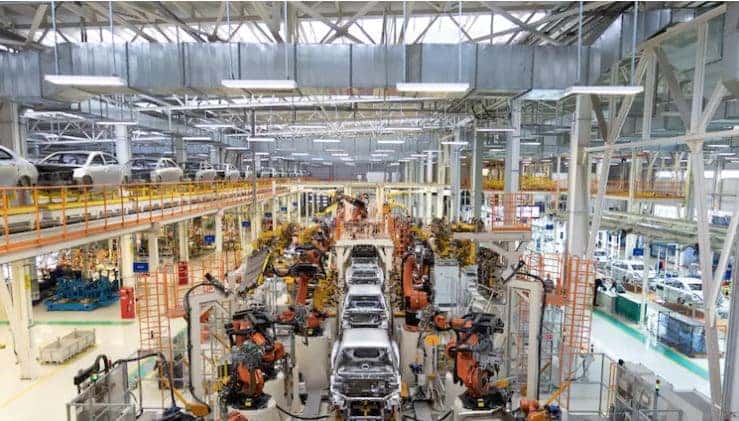
Photo Courtesy: Kelley Blue Book
When we think back to March 2020, we often associate that time period as the beginning of the Coronavirus (COVID-19). That month also happened to mark the start of the chip-shortage crisis that has had a massive effect on the automotive industry. As we head into the third year of the global shortage of microchips, many wonder what we can expect going forward.
Background
What exactly started the chip-shortage? Today’s cars are computers with wheels – even an inexpensive new car contains more than 100 microchips, powering everything from climate controls to shift timing. Due to their advanced entertainment and comfort technologies, luxury cars often use more than 150 microchips.
It was in March 2020 when the United States began shutting down, causing people to remain indoors and halting business as we know it. In-person gatherings went on hold, work and schooling resorted to Zoom video conferences, and automakers realized that Americans wouldn’t be driving a whole lot for quite some time. Therefore, the need to make new cars was not a top priority. As a result, the number of microchips that were ordered were reduced significantly.
When the pandemic forced automakers to shut down plants and temporarily stop orders from suppliers, the electronics industry faced increased demand for smartphones, televisions, computers, games, and home appliances from customers who were navigating the world, working remotely. Chipmakers switched their focus to the electronics industry, which also showed a willingness to pay more for silicon wafers.
Automakers Take Emergency Measures
Automakers began to prioritize by putting what valuable semiconductors they had in their most profitable vehicles such as full-size trucks and SUVs, as well as luxury vehicles. As the shortage became more apparent, idling plants making vehicles with the lowest demand was not enough.
In fact, every week there were new lists from automakers of which plants were being shut down around the world. When the shortage was at its peak, Ford was forced to stop making F-Series trucks and General Motors idled plants making its large trucks and SUVs.
We are beginning to see a light at the end of the tunnel, Recently, Ford hit a major milestone with the production of their 40 millionth F-Series.
Going Forward
Recently, the United States Department of Commerce surveyed industries that use chips in manufacturing. The survey revealed that manufacturers who build everything from cars to medical equipment held a 5-day inventory of microchips this month. The same survey in 2019 found an average inventory of 40 days.
What can we expect to see in terms of the shortage and when it will ease? There has been speculation that we can see an improvement in the next six months while some automakers think the chip shortage will go on until the end of 2022. Nissan Chief Operating Officer, Ashwani Gupta, told Reuters the shortage would continue through at least the first half of 2022. “It will take some more time to get back to the normal operations. Day by day, it is improving, but I do believe it will continue for a while,” Gupta said.
CEO of chipmaker Intel, Pat Gelsinger, told reports last week that recovery of semiconductor shortage may come gradually. “Constraints are expected to persists throughout 2022 and 2023 with incremental improvements over this period.”





0 comment(s) so far on Everything You Need to Know About the Microchip Shortage