


Important Car Care Tips for Extreme Cold Weather
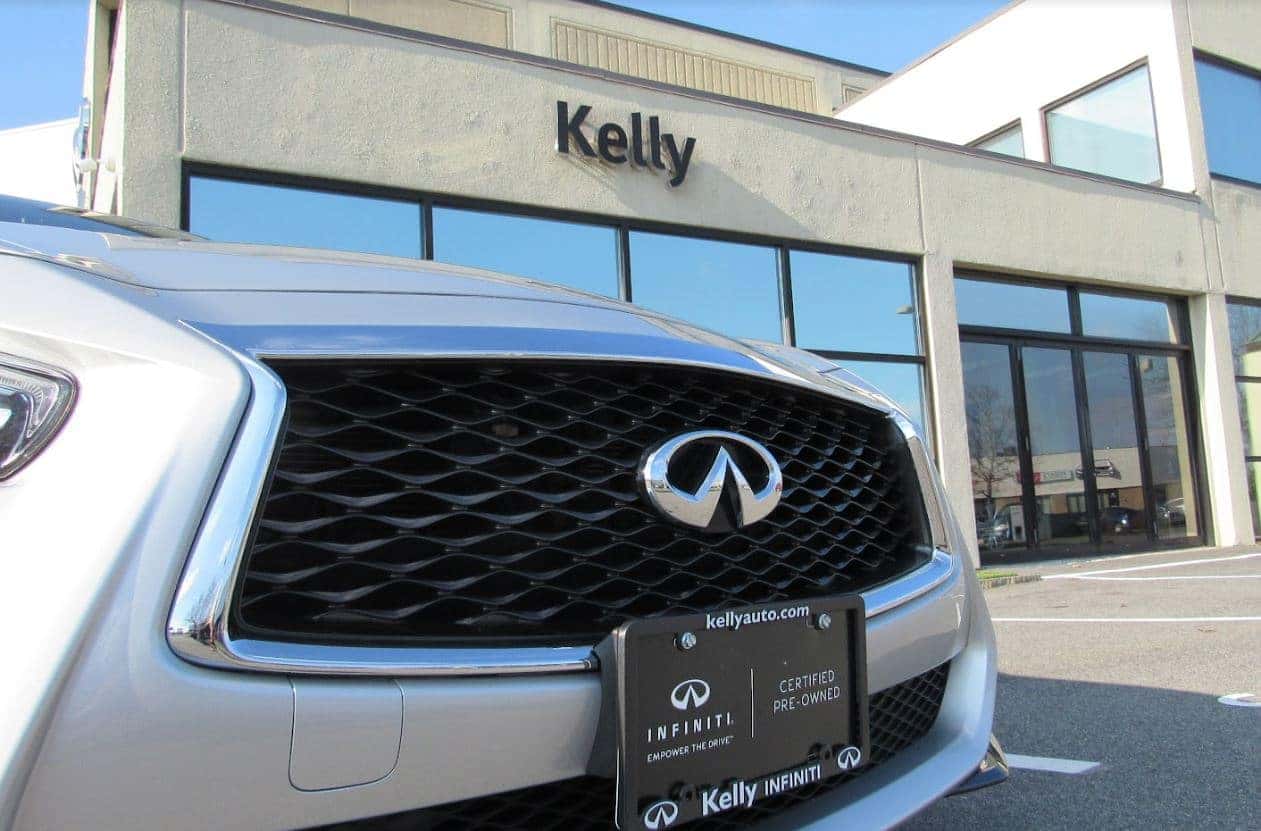
Winter in New England has certainly been mild so far – that is until this upcoming weekend where we are expecting an arctic blast in the forecast. That being said, here are some important tips for identifying common cold weather problems for cars:
-
Tires: One of the most common issues in cold weather is low pressure as the air inside the tires shrinks. This can cause tire bottoms to bulge and trigger the pressure warning lights. Solution: Drivers should add air before traveling any significant distance and keep an eye out for over-inflated tires when the weather warms up again (which will be sooner than you think!)
-
Battery: If you find that your engine doesn’t start and you hear a clicking, that usually means the battery is low. They are more likely to die after about five years, and that often comes with corrosion. Solution: Jump-starting the battery can get the car moving again, but remember on car with a dead battery to attach the red positive cable first, and then the black negative cable to a piece of metal from the battery.
-
Fuel: Filling up the tank before cold water arrives will leave less room for vapor to form.
-
Electric Cars: Their batteries tend to deplete faster in the cold, so drivers will need more of a charge than usual.
-
Cooling System: Bridgestone Tires recommends to maintain a ratio between 50/50 and 70/30 of antifreeze to water. Ask a member of our Kelly Auto service team what antifreeze should be used for your vehicle and the appropriate coolant-to-water ratio to prevent against corrosion and potential freezing.






0 comment(s) so far on Important Car Care Tips for Extreme Cold Weather