


Winter Driving Safety in New England
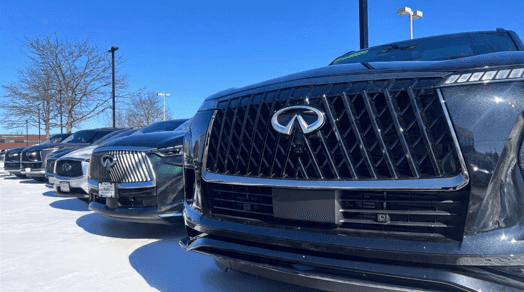
New England’s winter driving season reached historic levels recently with the Blizzard of 2026, which dropped over two to three feet of snow in parts of Massachusetts and caused widespread power outages and dangerous travel conditions across the region. Whether you’re just starting to get back on the road or preparing for the months ahead, practicing safe winter driving techniques is essential to keeping you, your family, and other motorists safe.
Lessons From a Historic Blizzard
The Blizzard of 2026 brought whiteout conditions, massive snowfall totals, and roads rendered nearly impassable for days in some communities. Teams are still working to clear streets and restore services, and travel remains hazardous in many areas. Authorities are urging drivers to stay off the roads whenever possible until cleanup efforts are complete.
Key Winter Driving Safety Tips for New England Roads
Driving in winter takes preparation, patience, and awareness. Here are expert tips to help keep you safe during snowy and icy conditions:
1. Prepare Your Vehicle Before You Drive
-
Clear all snow and ice from your windows, mirrors, lights, and roof before driving — snow left on the roof can slide forward and obscure your view or fly off and strike other vehicles.
- Check tire tread and pressure, as proper traction is critical, especially on snow-packed or icy surfaces.
- Ensure your battery, brakes, lights, and antifreeze are in good condition before heading out.
2. Slow Down and Drive Smoothly
Winter speed limits aren’t suggestions for snow and ice — they’re posted for ideal conditions. Reduce your speed according to road conditions and avoid sudden maneuvers.
- Increase your following distance with extra space between you and the vehicle ahead — stopping distances can be 6–10 seconds or more in slippery conditions.
- Avoid cruise control in winter weather; you need full control of acceleration and braking at all times.
3. Know When Not to Drive
If travel isn’t absolutely necessary, stay home — especially right after a major snowstorm like the recent blizzard. Roads may still be icy, narrow, and slippery, and crews need time to plow and treat surfaces. A travel ban in parts of Massachusetts shows just how dangerous conditions can remain even after the snowfall stops.
4. Use Proper Braking and Steering Techniques
When driving on snow and ice:
-
Accelerate and brake gently to avoid skidding.
- If your vehicle begins to skid, steer into the skid and avoid slamming on the brakes.
- Bridges and shady spots freeze first. Approach them with extra caution.
5. Equip Your Winter Emergency Kit
Winter weather can change fast. Keep a kit in your vehicle containing:
-
Ice scraper and snow brush
-
Blanket, gloves, hats, and warm clothing
-
Flashlight and extra batteries
-
Water and non-perishable snacks
-
Phone charger and jumper cables
-
Sand or kitty litter for added traction if stuck
You can even use creative items — like a credit card as an ice scraper — when needed in a pinch.
6. Stay Informed
Monitor local forecasts, road conditions, and travel advisories before departing. Winter weather in New England can deteriorate rapidly from snow to ice or whiteout conditions that make even short trips risky.
Winter driving doesn’t have to be stressful — but it does require preparation and caution, especially after a historic storm like the Blizzard of 2026. By planning ahead, checking road conditions, and practicing safe driving habits, you can reduce your risk on snow-covered and icy roads.
Stay patient, stay prepared, and stay safe this winter season — your community and your vehicle will thank you.






0 comment(s) so far on Winter Driving Safety in New England